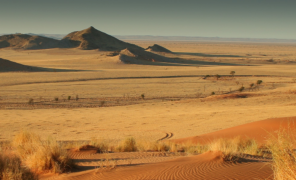
A Season in King Nehale: Highlights 2024
Recap of an exceptional hunting season in the King Nehale Conservancy with record trophies and memorable moments.


Dzoti Hunting Concession – one of Namibia’s most promising big game destinations
Perfectly positioned between three national parks, our hunting concession is one of the few areas in Namibia where six of the legendary “Dangerous Seven” (elephant, lion, buffalo, hippo, crocodile and leopard) can be found in their natural habitat.
The hunting area features a variety of landscapes and ecosystems. The northern section is dominated by Mopane woodlands, while moving further south the environment becomes increasingly water-rich. It transitions from open floodplains with larger wooded islands into dense reed marshes, eventually forming the renowned Linyanti swamps, famously explored by Livingstone.
Hunting here is as diverse as the landscape itself, from tracking game on foot through characteristic Mopane woodlands to silently gliding by canoe along an intricate network of water channels. Each setting offers a unique and authentic safari experience in truly wild Africa.
Thanks to its proximity to Chobe Nationalpark, Mudumu National Park and Nkhasa Rupara Nationalpark, Dzoti stands out as a true jewel among hunting destinations.
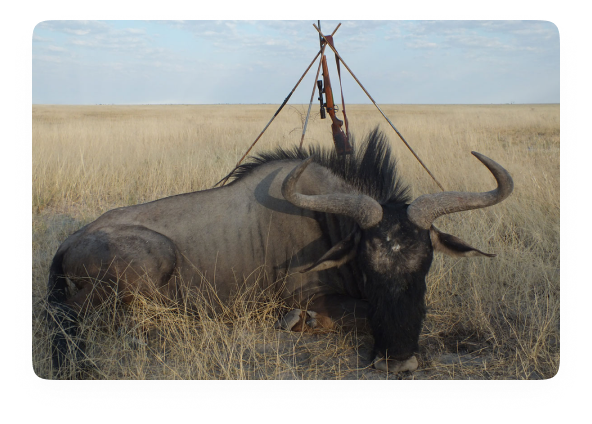
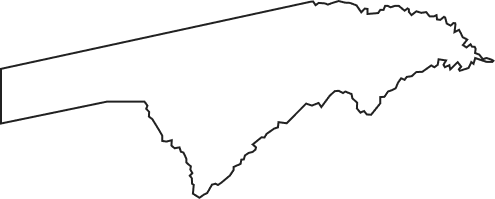
The Caprivi Strip, now known as the Zambezi Region, in northeastern Namibia is a unique and ecologically rich region where Africa’s great river systems converge, including the Zambezi, Chobe, Kwando, and Linyanti. This abundance of water creates a rare contrast to Namibia’s typically arid landscapes, resulting in lush floodplains, dense riverine forests, and extensive wetland systems.
This constant presence of water supports an exceptional diversity of wildlife, making the Caprivi one of the most productive and game-rich areas in the country. Large populations of plains game, as well as iconic species such as elephant, buffalo, hippo, crocodile, and predator species, thrive in this dynamic environment.
For hunters, the Caprivi offers a truly authentic and challenging safari experience. The terrain requires adaptability, from tracking through thick vegetation to navigating waterways and floodplains. Combined with its remoteness and untouched wilderness character, the region stands out as one of Namibia’s most remarkable and rewarding hunting destinations.
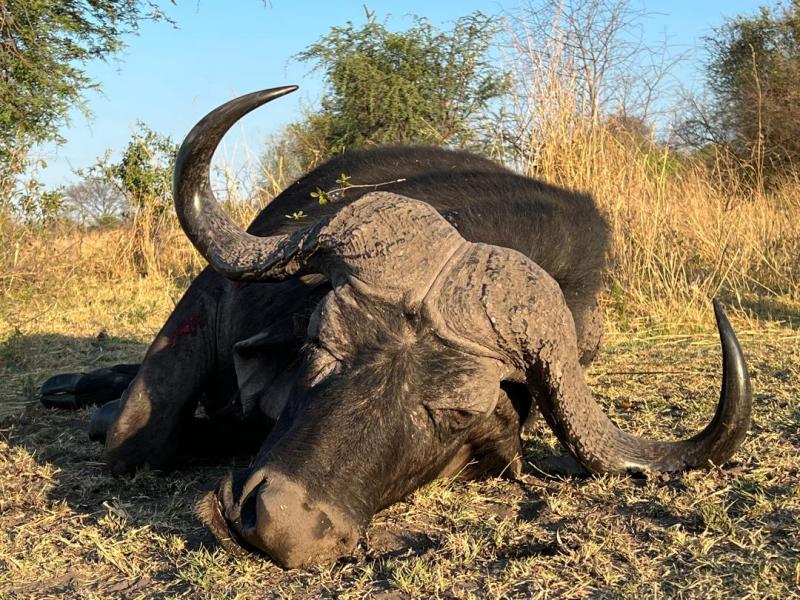
Buffalo hunting in the Dzoti Conservancy offers a truly classic and authentic African experience in one of Namibia’s most diverse wilderness areas. The landscape is originally varied, ranging from dense reed beds and Mopane woodlands to expansive floodplains that shape the movement and behaviour of game.
In this rich environment, both solitary dagga boys and large herds of buffalo can be found. The old bulls often live deep within the thick cover of the reed beds and woodlands, relying on their experience and strength to survive in isolation. In contrast, herds of hundreds of buffalo move across the floodplains, where they find safety in numbers and often seek refuge from predators such as lions.
This dynamic interaction between habitat and wildlife creates a true and traditional buffalo hunting setting. Tracking these animals through such varied terrain offers a demanding yet highly rewarding experience, reflecting the essence of classic buffalo hunting in Africa.
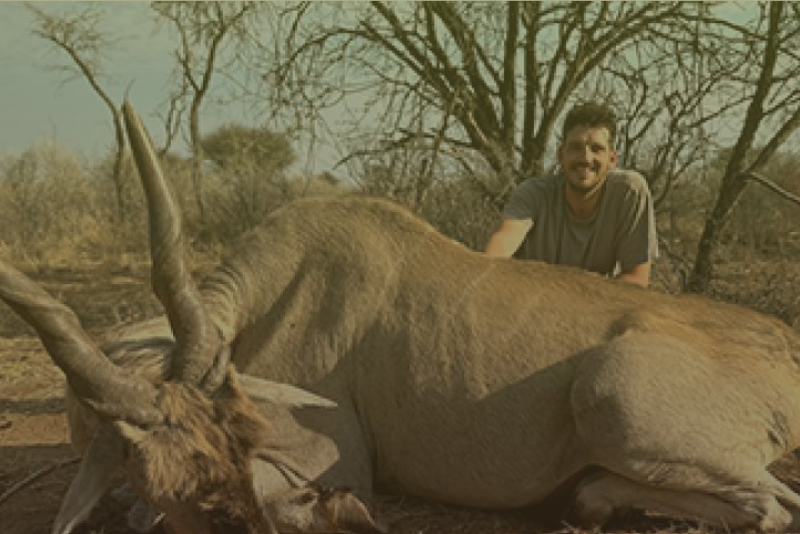
On non-hunting days, discover the breathtaking beauty of the Eastern Caprivi on guided game drives through
Namibia’s largest wetland area. Experience the remarkable diversity of wildlife and landscapes that make this
region truly unique.
A two-day excursion to the mighty Victoria Falls can also be arranged, offering an unforgettable highlight of the
journey.
Alternatively, unwind on a relaxing sundowner boat cruise along one of the region’s iconic rivers and take in the
magical atmosphere as the sun sets over the African bush.
Non-hunting guests accompanying the safari are warmly welcomed and can choose from a variety of activities.
They may join the hunting party in the field, embark on a dedicated photographic safari with their own guide and
vehicle, or spend peaceful hours observing birdlife and wildlife at a nearby waterhole.
Additional excursions to nearby national parks and surrounding regions can be arranged upon request, offering
even more unique photographic and nature-based experiences.
With over 430 bird species recorded in the region (more than anywhere else in Namibia) Dzoti is a true birding
paradise. It offers excellent opportunities to enjoy birdwatching after the hunt, whether along the lush water
channels or while fishing for bream to round off the day.
Getting to the Caprivi hunting area is straightforward, with several convenient travel options depending on
preference, budget and itinerary.
The most commonly used route is to fly into Windhoek International Airport. From there, guests typically
spend one night in Windhoek before continuing the next morning with a schedule aircraft flight to Katima
Mulilo (Mpacha Airport). Upon arrival, it is approximately a one-hour scenic drive to the hunting area. The
return journey follows usually the same route.
Another option is to combine the Caprivi hunt with a safari at Leadwood Camp. From Leadwood Camp, the
journey to the Caprivi can be completed comfortably in about two days by road, with an overnight stop in
the Okavango region, turning the transfer into part of the overall safari experience.
For maximum flexibility and comfort, private charter flights are also available, allowing direct access closer
to the hunting concessions and reducing travel time significantly.
After a successful hunt, the Zambezi River offers a perfect way to unwind and experience the region from a
different perspective. Its warm waters and diverse ecosystem make it an excellent spot for fishing in a truly
scenic setting. Species such as tigerfish and bream provide exciting action, while the peaceful surroundings
of riverbanks and floodplains create a relaxed contrast to the intensity of the hunt. It is a quiet and
rewarding way to end the day in the hunting Safari.
Guests hunting in communal conservancies in Namibia can be assured that a significant portion of their funds is
reinvested directly into wildlife conservation efforts and community development projects. These initiatives not
only support the long-term protection of Namibia’s wildlife, but also strengthen the bond between rural
communities and the value of their natural resources. In addition the local community profits from a well neede
source of protein.
At Dzoti, comfort meets authenticity. creating the perfect setting for an unforgettable safari experience. Located
in the heart of the hunting area, the charming safari camp captures the true spirit of Africa and offers an ideal
balance of atmosphere, relaxation, and close connection to nature.
During your stay, you will enjoy full board accommodation, including all beverages, allowing you to fully focus
on your hunting and safari experience. The fully furnished tents provide a welcoming and comfortable retreat
after an exciting day in the bush, each equipped with a private bathroom to ensure both privacy and convenience.
The tastefully furnished communal tent invites you to unwind, share stories of the day’s adventures, and soak in
the unique ambience of the African wilderness in pleasant company.
The area covers approximately 250 km² and lies along the Linyanti floodplains. It borders directly on three
remarkable national parks: Nkasa Rupara, Mudumo, and the world-renowned Chobe National Park.
The southwestern boundary is formed by Nkasa Rupara National Park, with its intricate network of reed beds,
lakes, and islands that make up the Linyanti swamps. This is Namibia’s largest protected wetland area and an
important conservation zone for the diverse fauna and flora that thrive in this lush and complex ecosystem.
To the southeast, the concession is bordered by the Linyanti River, with the opposite bank belonging to
Botswana’s famous Chobe National Park. This region is home to spectacular herds of elephant, buffalo, and red
lechwe, alongside abundant hippopotamus, large crocodiles, reedbuck, and the more elusive sitatunga.
Vacations to make your experience enjoyable in Namibia!
Recap of an exceptional hunting season in the King Nehale Conservancy with record trophies and memorable moments.
Packing lists, fitness preparation, and travel advice to ensure your Namibian hunting safari goes smoothly.
How communal conservancies in Namibia use sustainable hunting to fund wildlife conservation and support communities.
The lush Caprivi Strip offers some of the best buffalo, elephant, and hippo hunting in all of Southern Africa.
From Kudu to Gemsbok, discover the most sought-after antelope species in Namibia's diverse hunting areas.